


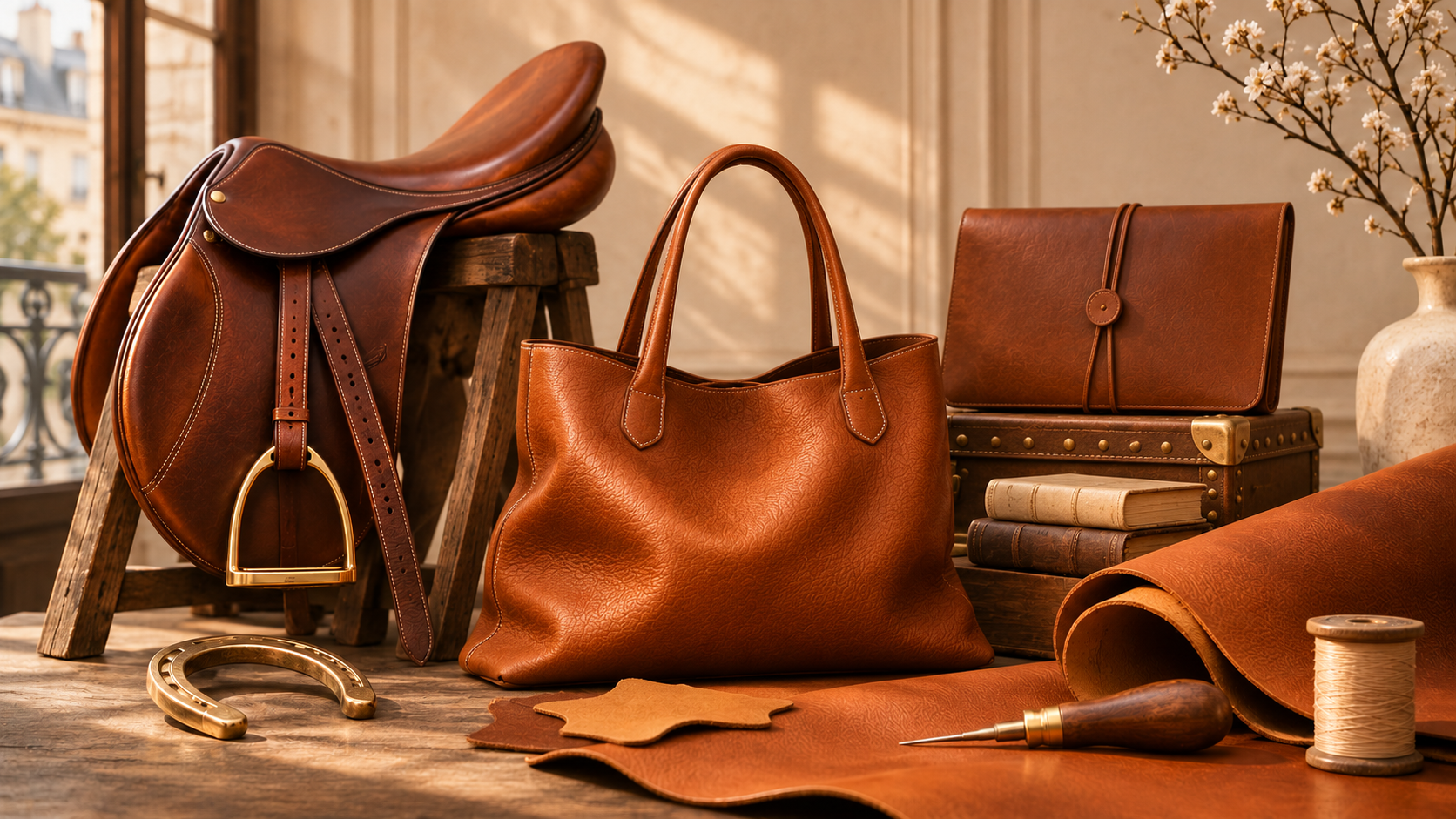
Before the Birkin and Kelly became two of the most recognisable handbags in the world, Hermès was a small Parisian workshop devoted to the art of crafting horse harnesses.
Founded in 1837 by Thierry Hermès, the French maison began with a dedication to precision, functionality, and exceptional craftsmanship. Nearly two centuries later, those same values continue to shape its identity, even as its creations have evolved far beyond the world of saddlery.
But how did a humble harness-making workshop become one of the most celebrated names in luxury fashion?
To understand the legacy of Hermès, we have to return to where it all began.
1837 — The Beginning of Hermès
Long before Hermès became a symbol of luxury, its story began with a simple yet extraordinary vision.
In 1837, Thierry Hermès opened a small workshop on Rue Basse-du-Rempart in Paris, specialising in finely crafted horse harnesses.
At a time when horses and carriages were central to everyday transportation, the quality of equestrian equipment mattered greatly. Thierry Hermès understood that true craftsmanship was about more than appearance. Every piece needed to combine elegance, comfort, durability, and precision.
His dedication did not go unnoticed.
In 1867, Hermès received an award at the Universal Exhibition in Paris, recognising the exceptional quality of its harness-making.
What began as a workshop serving the equestrian world would eventually lay the foundation for one of the most influential luxury houses in fashion history.
And at the heart of it all was a philosophy that remains relevant today: exceptional craftsmanship never goes out of style.
1880 — A New Chapter at 24 Faubourg Saint-Honoré
As the reputation of Hermès continued to grow, the family business entered a new era.
In 1880, Thierry Hermès' son, Charles-Émile Hermès, relocated the workshops to 24 Rue du Faubourg Saint-Honoré, in the heart of Paris.
More than simply a change of address, this move marked an important milestone in the maison's history.
Alongside the workshop, Charles-Émile opened a store where clients could commission bespoke harnesses and saddles, each carefully crafted to meet their individual requirements.
The house's reputation for quality soon extended beyond France, attracting recognition across Europe.
Over time, 24 Faubourg Saint-Honoré became more than a place of business. It became an enduring symbol of the Hermès heritage.
Remarkably, this historic address remains closely associated with the maison today, connecting its equestrian beginnings with the world of modern luxury.
For Hermès, craftsmanship was never simply about creating beautiful objects. It was about making things with purpose, precision, and an appreciation for the details that others might overlook.
Around 1900 — The Birth of the Haut à Courroies
As the world entered a new century, Hermès began exploring new possibilities beyond traditional saddlery.
Around 1900, the house introduced the Haut à Courroies (HAC), its very first bag.
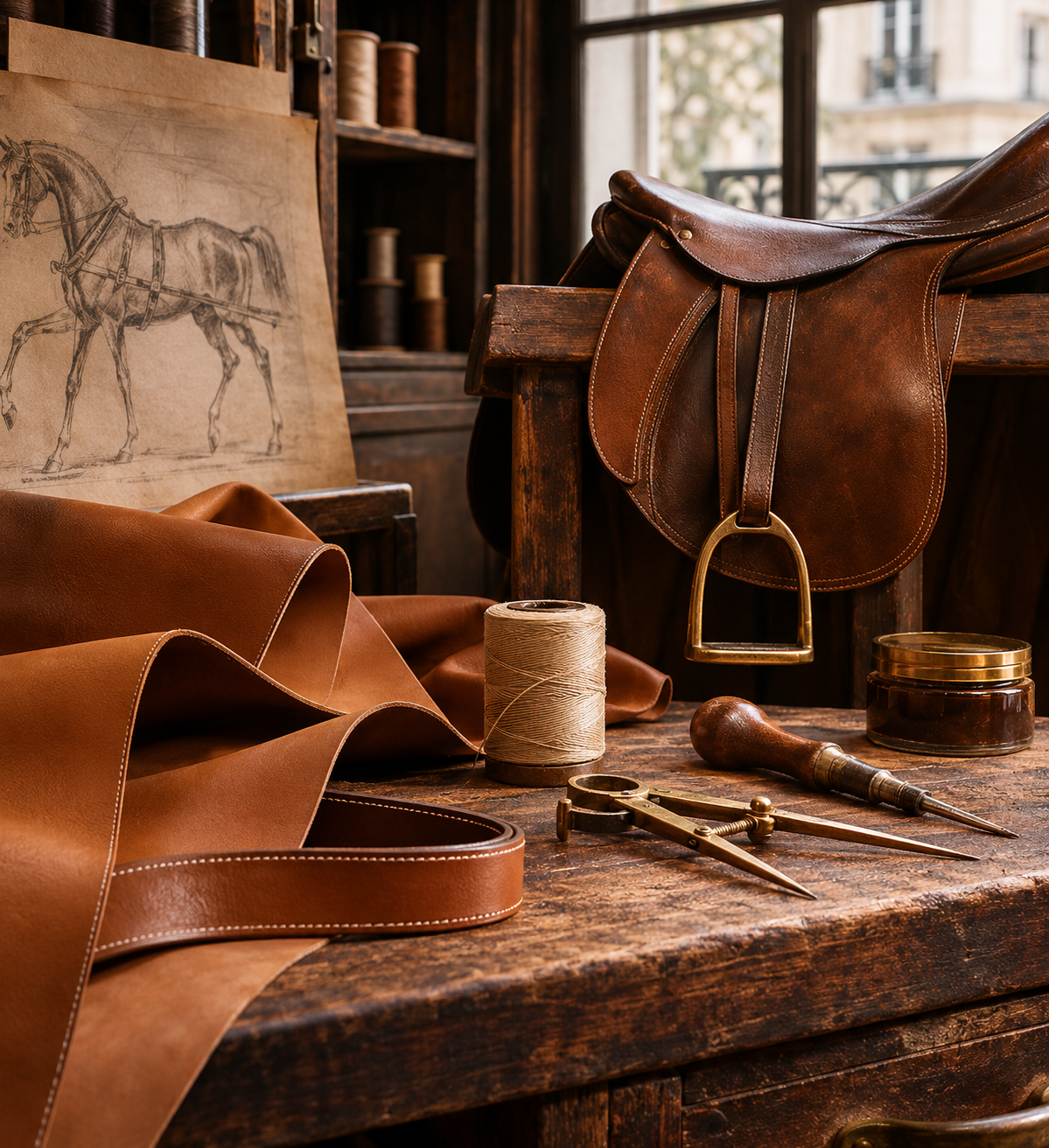
An artistic interpretation of traditional saddlery and leather craftsmanship, inspired by the equestrian heritage of Hermès. AI-generated illustration.
Unlike the elegant handbags we associate with Hermès today, the Haut à Courroies was originally designed for a highly practical purpose: carrying saddles, riding boots, and other equestrian essentials.
Its tall, structured silhouette and distinctive leather straps reflected the house's deep understanding of craftsmanship and functionality.
Yet what makes the Haut à Courroies particularly fascinating is how its design would eventually influence one of the most iconic handbags in fashion history: the Birkin.
Although created decades apart, the two designs share recognisable elements, including their structured forms, double handles, and signature strap closures.
The Haut à Courroies represented a turning point for Hermès. It demonstrated how the skills developed through generations of saddlery could be transformed into something entirely new.
What began as a functional bag for the equestrian world would become an important foundation for the house's future in luxury leather goods.
1922–1937 — From Saddlery to Fashion
As the world evolved, so did Hermès.
The early 20th century brought significant changes to everyday life. Automobiles were gradually replacing horse-drawn carriages, and the demand for traditional equestrian equipment was changing.
Rather than leaving its heritage behind, Hermès found new ways to apply its craftsmanship to a modern world.
Under the leadership of Émile Hermès, the grandson of the founder, the house began expanding beyond saddlery into leather goods and fashion accessories.
One important innovation came in 1922, when Émile Hermès secured rights to a fastening system that would become widely known as the zipper. This practical invention opened new possibilities for the house's leather goods and luggage.
By 1925, Hermès had introduced its first men's ready-to-wear garment, a golf jacket. Jewellery followed in 1927, with watches and sandals arriving in 1928.
But one of the most defining moments in the maison's history was still to come.
1937 — The Birth of the Hermès Silk Scarf
In 1937, Hermès introduced its first silk scarf, Jeu des Omnibus et Dames Blanches.
More than an accessory, the silk carré became a canvas for artistic expression, combining elaborate illustrations, beautiful colours, and exceptional textile craftsmanship.
Over the following decades, Hermès scarves would become instantly recognisable, celebrated not only for their beauty but also for the stories woven into their designs.
This evolution marked a new chapter for the house.
What began as a workshop dedicated to horses and carriages had grown into a world of leather goods, fashion, and artistic creativity.
Yet through every transformation, one principle remained unchanged: the pursuit of exceptional craftsmanship.
1956 — The Kelly Bag Becomes an Icon
Some handbags are remembered for their design. Others become part of history.
The Hermès Kelly is one of the rare creations that achieved both.
Its story began in the 1930s, when Robert Dumas designed an elegant, structured handbag distinguished by its trapezoidal silhouette, single top handle, and distinctive leather straps.
Originally known as the Sac à dépêches, the bag reflected Hermès' growing expertise in creating sophisticated leather accessories for everyday life.
But it was an unexpected moment in 1956 that would change its story forever.
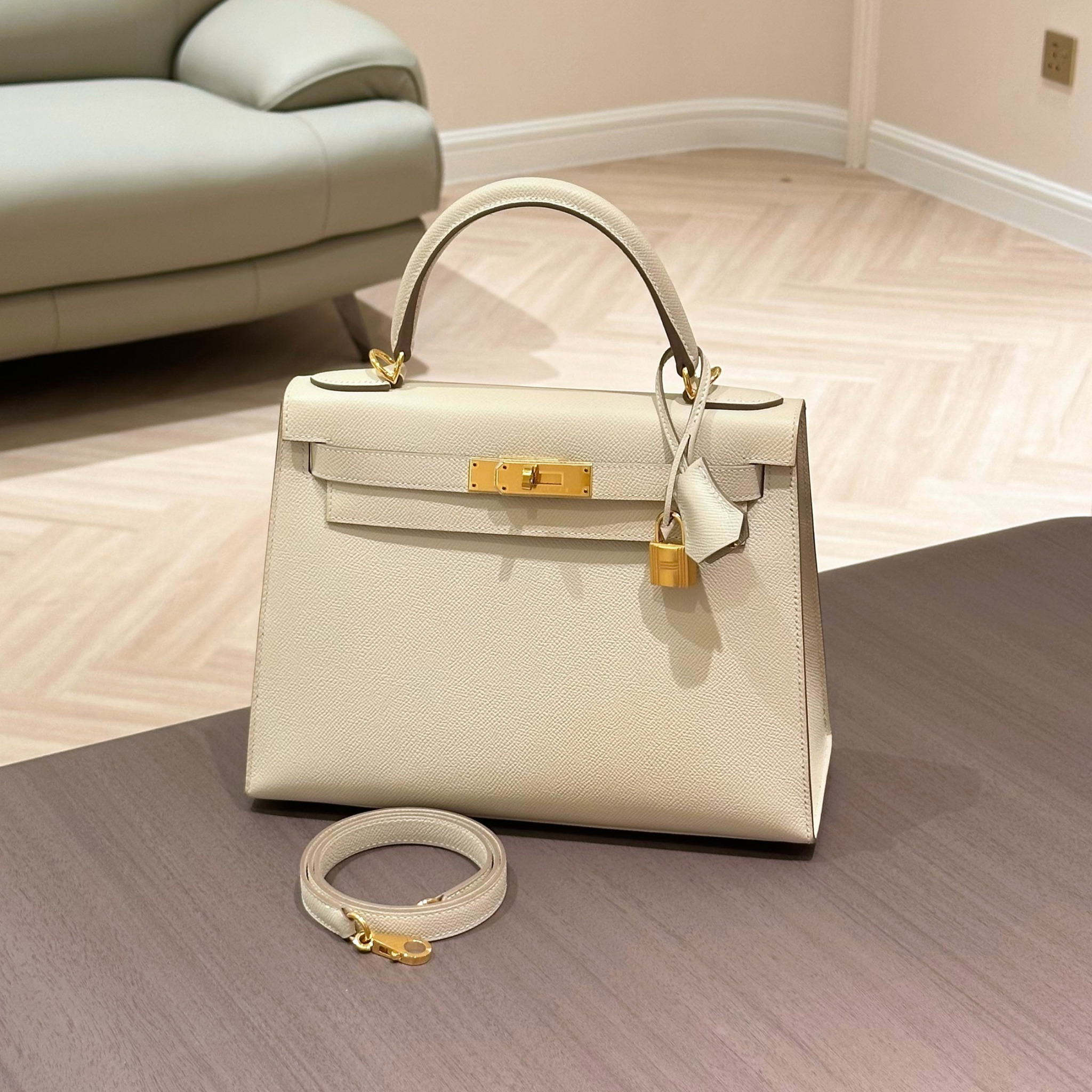
The Hermès Kelly — a timeless silhouette whose legacy is forever intertwined with the elegance of Princess Grace Kelly.
The Princess Who Made It Famous
In 1956, Grace Kelly, the Hollywood actress who had become Princess of Monaco, was photographed carrying the Hermès handbag.
In the now-famous photograph, she held the bag against her stomach, reportedly to conceal her pregnancy from photographers.
The image circulated around the world, forever linking the handbag with the princess's effortless elegance.
Hermès subsequently named the bag the Kelly in her honour.
What had once been a beautifully crafted leather accessory became an enduring symbol of sophistication and timeless style.
A Design That Transcends Generations
Decades later, the Kelly remains one of the most recognisable handbags in the world.
Its architectural silhouette, signature turn-lock closure, and carefully considered proportions have allowed the design to remain relevant through generations of changing fashion trends.
Today, the Kelly exists in a variety of sizes, materials, colours, and constructions, each offering a different interpretation of the original design.
Yet its appeal extends beyond its appearance.
The Kelly represents something that has always been central to Hermès: the belief that exceptional craftsmanship, thoughtful design, and a remarkable story can turn an everyday object into something extraordinary.
1984 — The Birth of the Birkin Bag
Some of fashion's most extraordinary creations begin with the simplest of conversations.
The story of the Hermès Birkin is one of them.
In the 1980s, British actress and singer Jane Birkin found herself seated beside Jean-Louis Dumas, then the head of Hermès, on a flight from Paris to London.
As the story goes, Birkin struggled to keep her belongings organised and expressed her frustration at being unable to find a handbag that was both elegant and practical enough for her life as a young mother.
What followed was a conversation that would leave a lasting mark on fashion history.
A Chance Encounter Above the Clouds
Intrigued by Birkin's dilemma, Dumas began sketching an idea for a handbag that could accommodate her everyday essentials without compromising on style.
The concept was simple: a spacious, versatile bag with a relaxed silhouette, sturdy handles, and the exceptional leather craftsmanship for which Hermès was already renowned.
In 1984, the Hermès Birkin bag was born.
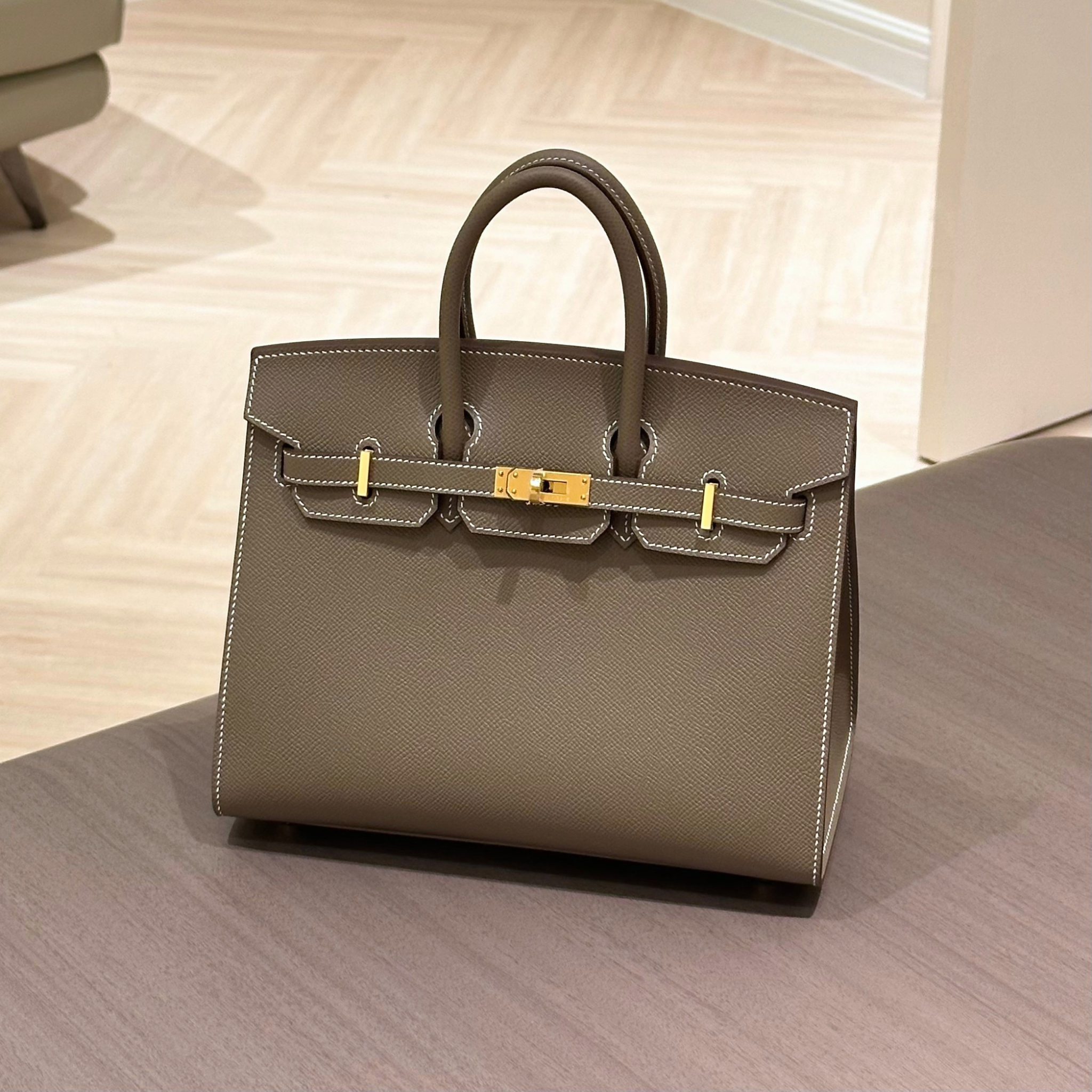
The Hermès Birkin — originally designed with practicality in mind, now one of the most recognisable handbags in luxury fashion.
Named after the woman who inspired it, the Birkin brought together practicality and elegance in a way that felt refreshingly modern.
Unlike the more structured Kelly, the Birkin offered a roomier design with two top handles, making it particularly suited to everyday use.
From Everyday Essential to Fashion Icon
What began as a practical solution gradually became one of the most recognisable handbags in the world.
Over the decades, the Birkin has been reimagined in a remarkable variety of leathers, colours, sizes, and finishes.
Its distinctive silhouette, signature straps, turn-lock closure, and meticulous construction have become defining features of the design.
Yet perhaps the most fascinating part of the Birkin's history is the contrast between its beginnings and its reputation today.
A handbag originally conceived to make everyday life easier would eventually become a symbol of luxury, exclusivity, and personal style.
The Birkin's story is a reminder that truly memorable designs often begin not with the desire to create an icon, but with the intention to create something useful and beautiful.
The Art of Hermès — A Tradition of Craftsmanship
Beyond the iconic silhouettes of the Birkin and Kelly lies something even more fundamental to the identity of Hermès: craftsmanship.
Since its beginnings as a saddlery workshop in 1837, the house has placed extraordinary importance on the relationship between the artisan, the material, and the finished creation.
While fashion trends continue to evolve, this philosophy has remained at the heart of the maison.
The Art of Saddle Stitching
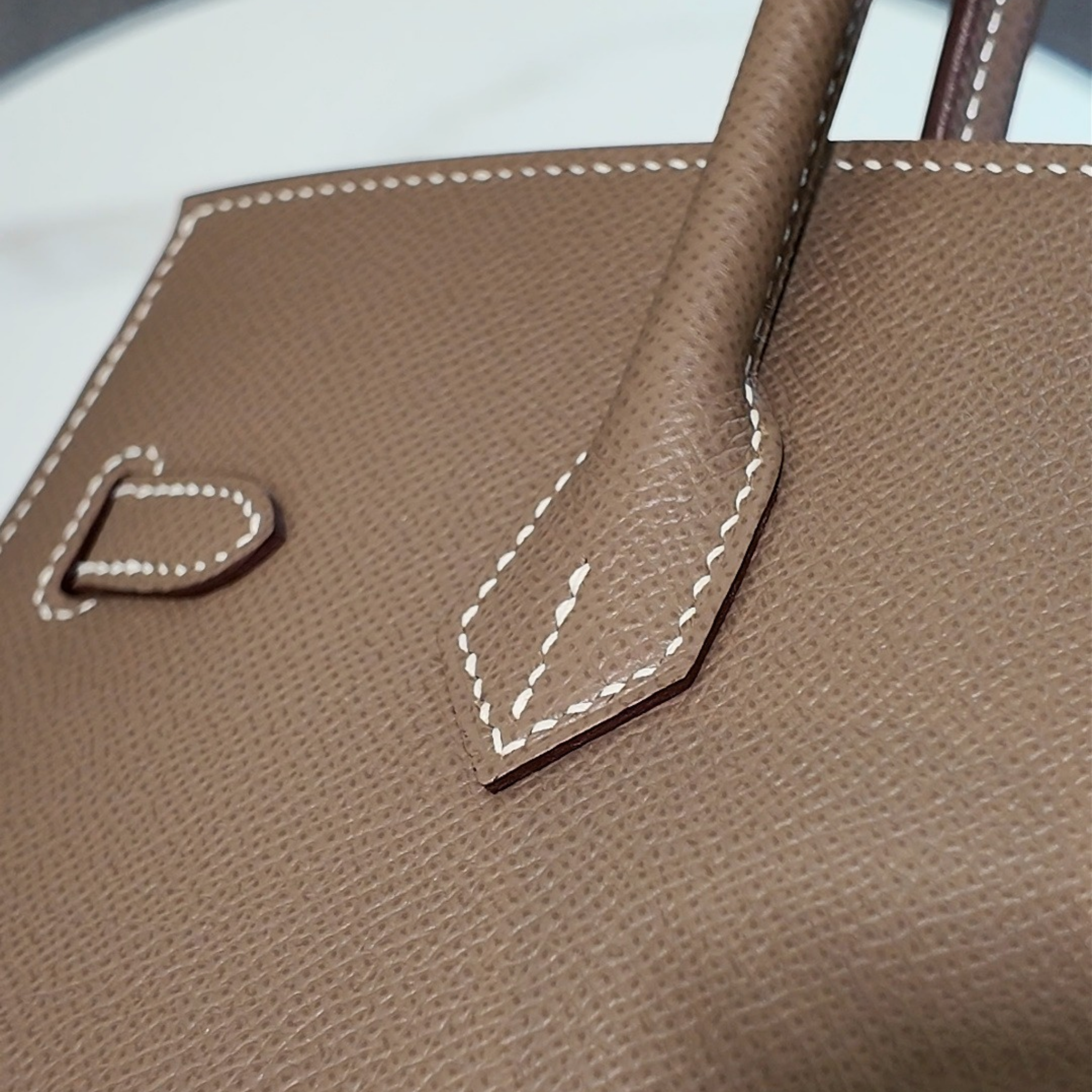
A closer look at the leatherwork and stitching details that reflect the craftsmanship behind Hermès creations.
One of the most distinctive elements of Hermès leather craftsmanship is the saddle stitch, a traditional hand-stitching technique rooted in the world of saddlery.
Unlike conventional machine stitching, saddle stitching uses two needles attached to opposite ends of a single thread. The thread passes through the leather from both sides, creating a particularly strong and durable seam.
Originally associated with equestrian equipment, where strength and reliability were essential, the technique remains an important part of Hermès' leatherworking heritage.
It is a small detail that reveals a great deal about the house's approach to craftsmanship: beauty should never come at the expense of functionality.
A Deep Respect for Materials
Leather is another essential part of the Hermès story.
The house is known for its careful selection of materials, each chosen for its individual characteristics, texture, and suitability for a particular creation.
From the natural grain of Togo to the structured appearance of Epsom and the softness of Swift, different leathers give familiar designs entirely different personalities.
These materials are not simply decorative. Their texture, flexibility, and behaviour over time all contribute to how a handbag looks, feels, and ages.
For those who appreciate fine leather goods, understanding these differences is part of discovering what makes each creation unique.
Crafted to Be Cherished
Perhaps one of the most meaningful aspects of Hermès craftsmanship is the idea of longevity.
The house places great importance on creating objects that can be used, cared for, repaired, and potentially passed down through generations.
Rather than treating a handbag as something defined by a single season, this philosophy encourages a more lasting appreciation of design and craftsmanship.
It is this relationship between tradition, practicality, and enduring beauty that continues to distinguish Hermès.
After all, the true character of a beautifully crafted object often reveals itself not only when it is new, but through the years it spends with its owner.
The Legacy of Hermès — A Story That Continues
From a small harness-making workshop in Paris to one of the most celebrated luxury houses in the world, the journey of Hermès is a remarkable story of craftsmanship, creativity, and evolution.
What began in 1837 with Thierry Hermès' dedication to equestrian craftsmanship has grown into a legacy that extends far beyond saddles and leather goods.
The Kelly, with its connection to Princess Grace of Monaco, and the Birkin, born from a chance encounter in the skies, are more than recognisable handbags. They represent different chapters in a story that has unfolded across generations.
Yet perhaps the most fascinating aspect of Hermès is not simply the iconic creations it has introduced, but the philosophy that continues to shape them.
Beyond the Bag
In a world where fashion is constantly changing, Hermès offers a different perspective on luxury.
Its creations reflect an appreciation for thoughtful design, exceptional materials, and the skills passed down through generations of artisans.
A beautifully crafted handbag is not merely something to carry. Over time, it can become part of its owner's personal story, accompanying memorable moments and developing a character of its own.
This is what gives timeless design its lasting appeal.
Not simply the name it carries, but the craftsmanship, history, and meaning behind it.
Discover the World of Hermès with melle by LDB
At melle by LDB, we believe that every remarkable handbag has a story worth discovering.
From the timeless elegance of the Kelly to the effortless sophistication of the Birkin, we appreciate the heritage, craftsmanship, and individuality that make each Hermès creation special.
Whether you are exploring the brand for the first time or searching for another meaningful addition to your collection, understanding its history makes the experience all the more rewarding.
Because true luxury is not only about what we carry, but the stories we carry with us.